

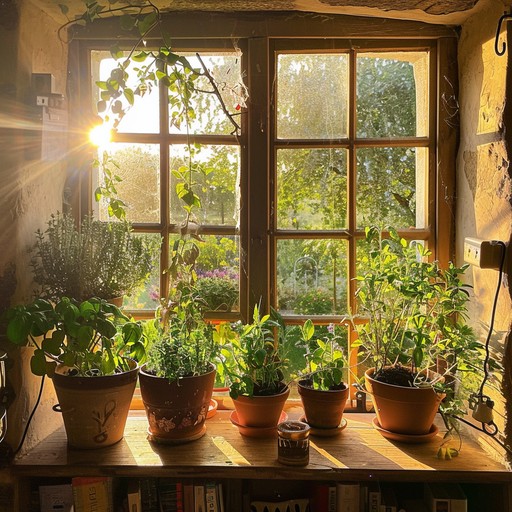

If your plants have been happily lounging on the porch or patio all summer, you may have noticed something this week: the mornings suddenly feel different. That first cool snap always seems to arrive faster than expected, and every year it can trigger the same scramble to get tropical plants indoors before the temperatures really drop.
But bringing plants inside isn’t quite as simple as carrying every pot through the door on the first chilly night. Skip the prep, and you could end up dealing with yellowing leaves, stressed plants, or an unexpected fungus gnat population in your living room by October.
The good news? A little planning goes a long way. Here’s how to bring your outdoor plants inside for fall without bringing the rest of the outdoors with them.
| Key Takeaways – Start moving tropical plants indoors when nighttime temperatures regularly dip below 50°F—don’t wait for the first frost warning. – Inspect every plant for pests before it crosses the threshold, including the undersides of leaves, pot rims, and drainage holes. – Make the transition gradually when possible. Sudden changes in light, temperature, and humidity can trigger leaf drop.Don’t automatically repot everything. – Save it for plants that are genuinely root-bound or have another clear reason to need fresh soil.Water less frequently once plants are indoors, and hold off on fertilizer while growth naturally slows. |
How to Transition Outdoor Plants Indoors Before Cold Weather Hits
1. Watch the Thermometer, Not the Calendar
There isn’t one universal date for bringing houseplants back inside. The timing depends on your local nighttime temperatures, not what month it happens to be.
For most tropical and subtropical plants, it’s smart to begin the transition once overnight temperatures are consistently approaching 50°F. That gives you time to inspect, clean, and acclimate your plants before truly cold weather arrives.
Waiting until frost is in the forecast can be too late for tender tropicals. Plants such as hibiscus and fiddle leaf figs may begin showing signs of cold stress well before temperatures reach freezing.
Keep an eye on your evening forecast over the next couple of weeks and think of 50°F as your cue to get started—not the deadline for finishing.
2. Give Every Pot a Proper Pest Inspection
This is the step you’ll be happiest you didn’t skip.
Outdoor plants offer plenty of hiding places for insects, from leaf undersides and stem joints to the lip of a container or the drainage holes underneath. Once those pests come indoors, they can spread quickly to the rest of your houseplant collection.
Before bringing a plant inside:
- Check beneath leaves and along stems for aphids, scale, spider mites, and mealybugs.
- Look around the pot rim and drainage holes for slugs, insects, or egg clusters.
- Remove dead leaves and debris from the soil surface.
- If you find pests, treat the plant outdoors with an appropriate product, such as insecticidal soap or horticultural oil, following the label directions.
- If fungus gnats have been an issue, let the upper layer of soil dry appropriately between waterings and address the infestation before moving the plant indoors.
Even when a plant looks perfectly healthy, give it a careful once-over. A few extra minutes outside can save you from weeks of pest control indoors.
3. Repot Only What Actually Needs It
You do not need to repot your entire plant collection before bringing it inside.
In fact, fall isn’t always the ideal time to disturb a healthy plant’s roots, especially as growth begins to slow. Repot only when there’s a reason to—such as roots tightly circling the pot, pushing through drainage holes, or a plant that has clearly outgrown its container.
If repotting is necessary, doing it outdoors keeps the mess out of the house. Use fresh, appropriate potting mix and avoid jumping to a dramatically larger container; one size up is usually enough.
For plants that are otherwise doing well, simply remove fallen leaves, clean up the soil surface, and leave the bigger repotting projects for spring, when active growth resumes.
4. Let Them Acclimate Instead of Moving Them Overnight
One of the biggest mistakes you can make is taking a plant from bright, humid outdoor conditions and placing it directly into a dim, dry room overnight.
After spending months outside, your plants have adjusted to stronger sunlight, greater airflow, changing temperatures, and higher humidity. Indoor conditions are dramatically different, even beside a sunny window.
When possible, make the change gradually. Move plants into a shadier or more protected outdoor spot for several days before bringing them inside. This gives them a chance to begin adjusting to lower light levels.
And don’t be alarmed if a plant still drops a few leaves afterward. Some yellowing or leaf loss during the first few weeks indoors can simply be part of the adjustment process.
5. Find Each Plant Its Best Indoor Spot
Before filling every available windowsill, consider what each plant actually needs.
Sun-loving plants such as hibiscus will want one of the brightest spots in your home, often near an unobstructed south- or west-facing window. More adaptable plants, including pothos and snake plants, can usually tolerate lower-light locations farther from the glass.
It’s worth taking a fresh look at your rooms in fall. As the sun’s angle changes, the places that seemed bright all summer may receive very different light.
A few practical details can make the transition easier, too. Place a saucer beneath each container to protect floors and furniture, keep foliage away from cold windowpanes, and avoid positioning tropical plants directly beside heating vents or drafty doors.
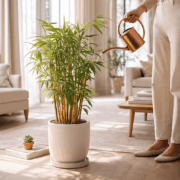

If your home becomes especially dry once the heat comes on, grouping humidity-loving plants together or using a humidifier nearby can help create a more comfortable environment.
6. Water Less and Put the Fertilizer Away
Once indoors, most houseplants naturally slow down.
Shorter days and lower light levels mean plants generally use less water than they did outside in summer. Instead of watering according to the same schedule, check the soil first. For many common houseplants, allowing the top inch or two to dry before watering again is a better guide.
Fertilizer can usually take a break, too. Unless a particular plant is actively growing and has specific feeding needs, wait until stronger growth resumes in late winter or spring.
Too much water during this slower period can lead to root problems—and consistently damp soil also creates ideal conditions for fungus gnats.
If your plants have already been indoors for a week or two and you’re seeing a little leaf drop, resist the urge to immediately change everything about their care. Give them time to settle.
And if one of your plants was caught outside during an unexpected cold night, inspect it for damage. Soft, darkened, or water-soaked-looking foliage can signal cold injury. Remove badly damaged growth once you’re sure which areas have been affected, then give the plant stable conditions and time to recover.
Bringing It All Inside
There’s something satisfying about seeing a windowsill full of plants safely settled in for another season.
You don’t need an elaborate system to make the transition successful. Start before the nights get too cold, check every plant carefully for pests, give them the best light you can, and expect their needs to change once they’re indoors.
Most importantly, give them time. A plant that looks slightly dramatic during its first couple of weeks inside isn’t necessarily in trouble—it’s adjusting to an entirely new environment.
If your evenings are already getting cooler, this is a good week to start the process. A little preparation now means healthier plants, fewer indoor pests, and one less thing to worry about when the first truly cold night arrives.
What's Your Reaction?
