
What to Do After Waking Up: A Simple Routine That Actually Works

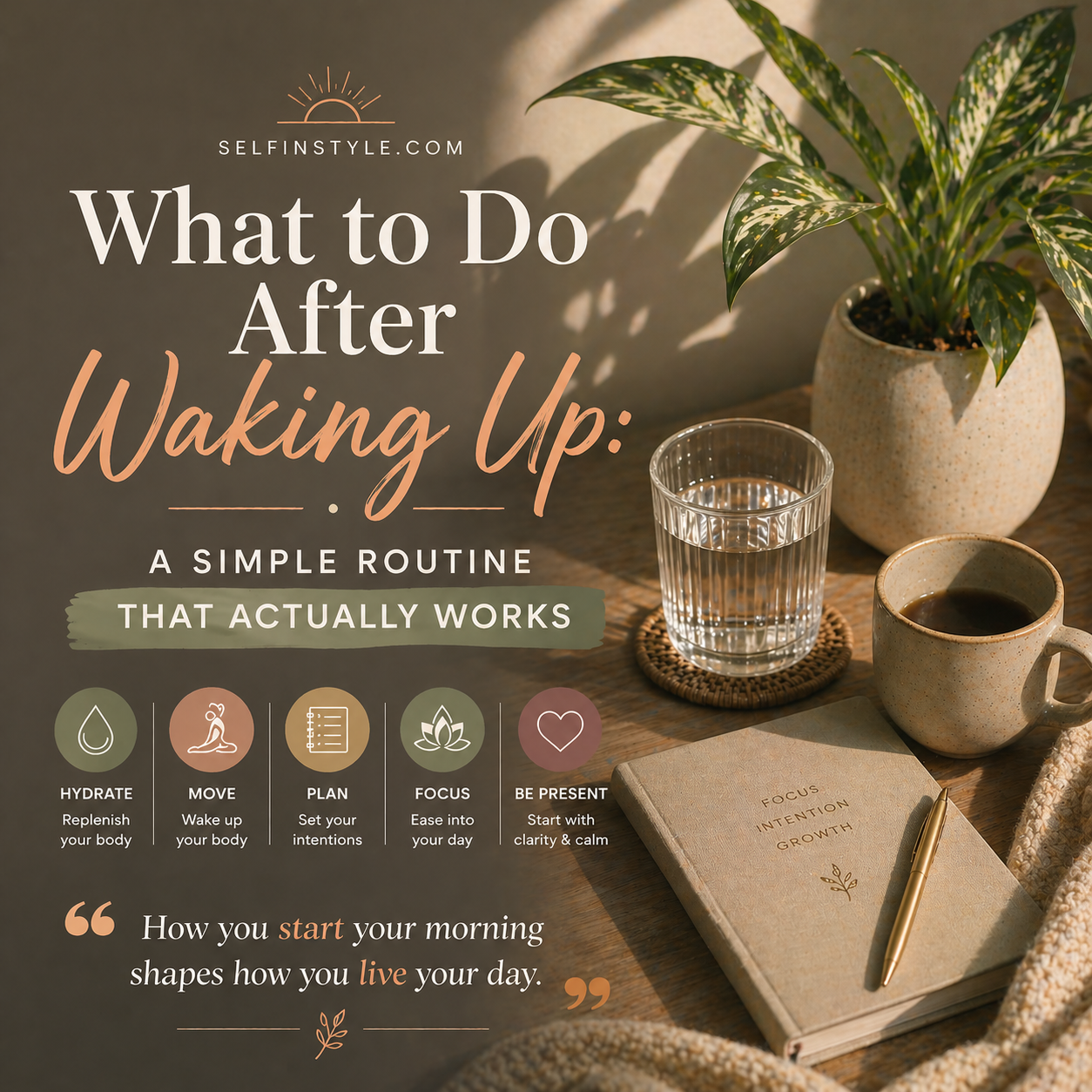

What you do in the first 30 minutes after waking up sets the tone for your entire day. The most effective routine is simple: avoid your phone, wake your body gently, hydrate, and give your mind direction before the world starts demanding your attention. When done consistently, these small actions improve clarity, reduce stress, and create a sense of control that carries throughout the day.
| TL;DR I realized my mornings weren’t failing because I lacked discipline—they were failing because I started them reactively. Once I replaced distraction with intention, everything changed. A simple, repeatable routine helped me feel calmer, more focused, and far more in control of my time. |
Why Your Morning Matters More Than You Think
For years, I underestimated mornings. I thought productivity came from how much I did during the day, not how I started it. But the truth became clear quickly—my mornings were quietly shaping everything.
“Win the morning, win the day.” — Tim Ferriss
When I began observing my habits, I noticed a pattern. The days I felt scattered always started the same way: rushing, checking notifications, reacting instead of deciding. My mornings weren’t giving me energy—they were taking it away.
The Routine That Actually Worked for Me
What surprised me most is how simple the solution was. I didn’t need a long, complicated routine. I just needed a better sequence.
1. I Stopped Reaching for My Phone
The first shift was the hardest—and the most important. Instead of grabbing my phone the moment I woke up, I gave myself a few minutes of quiet.
“Your focus is your most valuable resource.” — Cal Newport
Those first few minutes changed everything. Without notifications or external noise, I felt grounded instead of overwhelmed. It was the difference between starting my day intentionally and losing control before it even began.
2. I Let My Body Wake Up Slowly
Instead of jumping straight into activity, I gave my body time to adjust. Sometimes it was stretching, sometimes just sitting quietly with a glass of water.
It sounds simple, but it created a noticeable shift. My mornings felt calmer, and I didn’t carry that rushed energy into the rest of my day.
3. I Hydrated Before Anything Else
This became a non-negotiable. Before coffee, before anything, I drank water.
It’s a small habit, but it signals care and awareness. It wakes the body gently and helps create a sense of rhythm from the very beginning.
4. I Set a Clear Intention for the Day
Instead of letting the day decide for me, I took a moment to decide what actually mattered.
“You do not rise to the level of your goals. You fall to the level of your systems.” — James Clear
I started writing down just three priorities. Not a long to-do list—just what truly needed my attention. That clarity removed so much unnecessary stress.
5. I Created a Calm Transition Into the Day
Rather than rushing into work, I allowed a short buffer—reading, journaling, or simply sitting with my thoughts. This wasn’t about productivity. It was about creating space. And, that space made everything else easier.
What Changed When I Followed This
The results weren’t dramatic overnight, but they were consistent. I felt more focused, less reactive, and far less overwhelmed. My mornings stopped feeling chaotic. My days started feeling intentional. And, perhaps the most important shift—I no longer felt like I was chasing time.
Morning Reset Framework
| Element | What I Changed | Result I Noticed |
| Phone Use | No phone first 15–20 mins | More calm, less anxiety |
| Wake-Up Energy | Slow, intentional start | Better mood |
| Hydration | Water before coffee | More natural energy |
| Focus | 3 clear priorities | Less overwhelm |
| Transition | Calm buffer before work | Smoother, productive flow |
The Mistakes I Had to Unlearn
One of my biggest mistakes was thinking I needed a perfect, long routine. I kept adding habits instead of simplifying them. I also underestimated how much my phone was affecting my mindset.
Another mistake was rushing. I thought starting fast meant being productive, but it actually created more stress and less clarity.
What I’d Recommend (If You’re Starting Fresh)
If you’re trying to fix your mornings, don’t overhaul everything at once. Start with one change—preferably removing your phone from the first few minutes of your day.


Focus on how you feel, not how much you do. A good morning routine isn’t about productivity, it’s about presence.
How My Mornings Feel Like Now
Now, my mornings feel quiet in the best way. There’s no rush, no immediate pressure. I ease into the day instead of being thrown into it. That shift carries forward. My work feels more focused. My decisions feel clearer. My energy feels steady. And, it all starts with how I wake up.
The Mindset That Made the Difference
The biggest realization I had was this: a good morning routine isn’t about doing more—it’s about starting better.
Once I stopped trying to optimize everything and focused on creating a calm, intentional beginning, everything else naturally improved.
Frequently Asked Questions, Answered by an Expert
What is the best thing to do immediately after waking up?
The best thing is to avoid your phone, hydrate, and give yourself a few minutes of calm before starting your day.
How long should a morning routine be?
It doesn’t need to be long. Even 20–30 minutes of intentional habits can make a big difference.
Why shouldn’t I check my phone first thing?
It immediately shifts your brain into reactive mode, increasing stress and reducing focus.
How quickly can this routine improve my day?
You can start noticing changes within a few days, especially in how calm and focused you feel.
Do I need a strict routine?
No. A flexible, simple structure works better than a rigid one.
The Takeaway
Changing my mornings didn’t require discipline—it required awareness. Once I understood how those first few minutes were shaping my entire day, everything became clearer. I didn’t need more habits. I needed better ones. Because at the end, the way you start your day quietly decides how you live it.
What's Your Reaction?
